
Board of Listers
Board of Listers
Rutland Town Listers
(802) 773-2528
Fax (802) 773-7295
Cathy Kapitanski ext 104
Marie Fabian ext 105
Monday, Tuesday, and Wednesday
9:00 am to 12:30 pm
Rutland Town Municipal Office
181 Business Route 4
Center Rutland, VT 05736
Responsibilities
The Board of Listers is responsible for determining the fair market value of all properties within the town. All real estate is assessed (land and any permanent structures attached to it). The value is then converted into an assessment, which is just one component in the computation of property tax bills. To complete these tasks, listers must understand appraisal methods and property assessment administration in Vermont and keep up-to-date of any changes.
Duties include:
- Assessment Information
- Grand List questions
- Property Information
- Lister Cards
- Personal Property Taxes
Reminder from the Listers
HS-122 Homestead Declarations need to be filed annually. April 15th is the due date for filing this form with your State of Vermont tax filings.
AN EXTENSION FOR FILING INCOME TAX RETURNS DOES NOT RELIEVE A PROPERTY TAXPAYER OF THE OBLIGATION TO FILE A TIMELY HOMESTEAD DECLARATION BY APRIL 15.
Should you miss this date, you will be penalized by the State, and you may not be eligible to receive the State Income Sensitivity payment. Applications for a Veterans exemption must be filed with the Vermont Office of Veterans Affairs before May 1st.
Minutes
9.8.2026 Grievance Hearing Minutes
7.15.2026 Listers Minutes
Listers Grievance Hearing Minutes 6-29-2026
Listers Minutes 5-4-2026
Listers Minutes 3-4-2026
12.31.2025 Homestead E and O
10.14.2025 Addendum to minutes of VELCO valuation
Lister Hearing to Lodge Grand List Minutes 7-28-2025
Grievance Hearing Minutes 7-7-2025
Listers Meeting 6-23-2025
MINUTES OF GRIEVANCE HEARINGS of Melissa Hoellerich.9.9.24
Addendum to Minutes 8-14-2024
Listers Meeting 7-9-2024
Listers Meeting 7-23-2024
Resources
-
- Online Lister Card informationns in new tab)
- (opens in new tab)
- 2025 Grand List As Billed
(opens in new tab) - Open Meeting Law Information
- Grievance Hearing Notice for 6-29-2026
- Grand List Notice for 6-29-2026
- 2026 Application for Grievance
- Tax Maps as of April 1st, 2026(opens in new tab)
- 2026 As Billed Grand List
Town of Rutland Listers

Marie Fabian
Lister
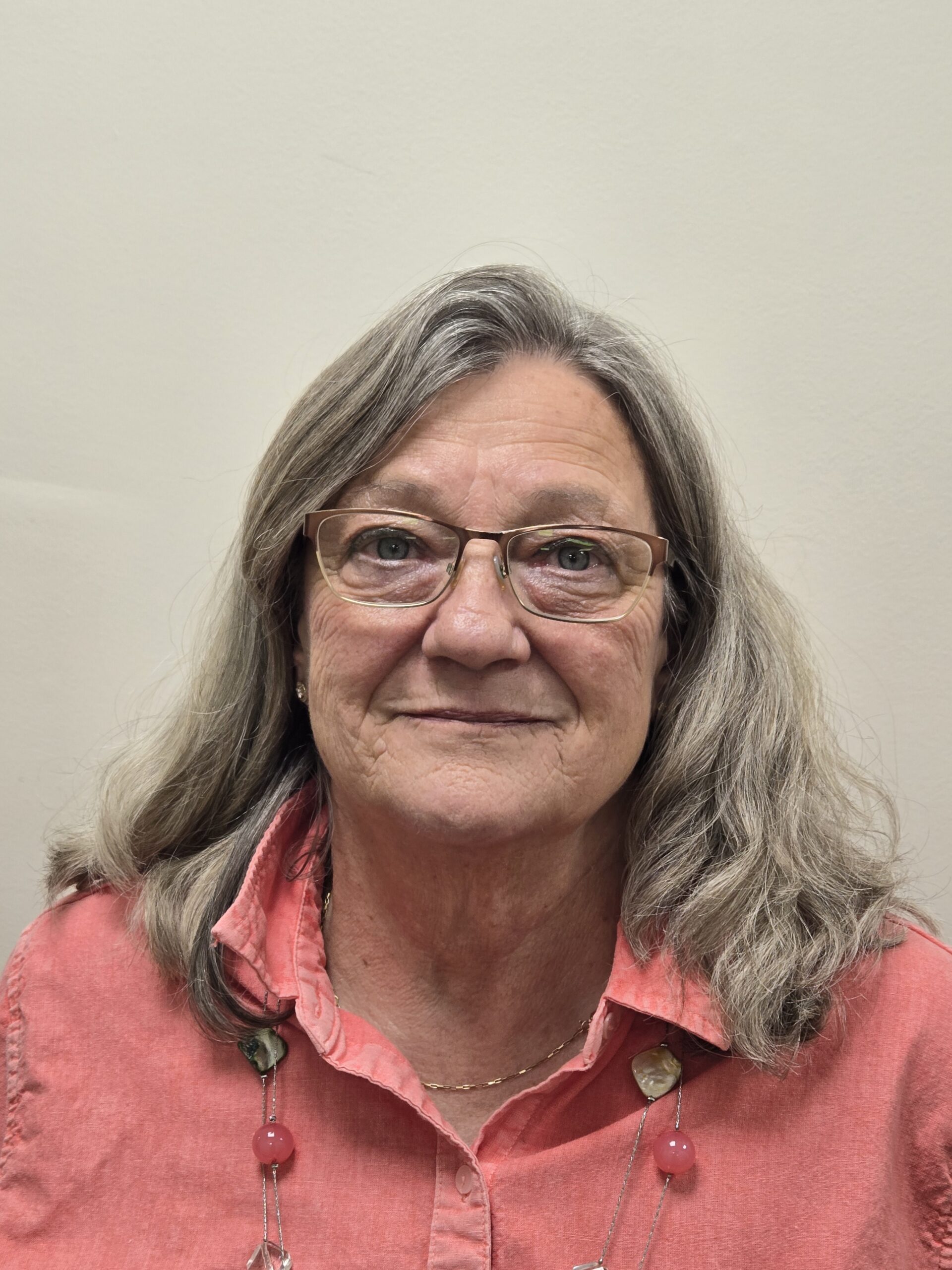
Cathy Kapitanski
Lister
Open Meeting Law Information
How does a member of the public enforce the open meeting law?
If you think that an open meeting law violation has occurred, the first step is to submit a written notice to the public body, alleging a specific violation and requesting a specific cure. Upon receipt of this written notice, the public body must respond publicly within 10 calendar days, either by acknowledging the violation and stating its intent to cure it or by stating its determination that no violation occurred and so no cure is necessary. Failure to publicly respond is treated as a denial of the violation. 1 V.S.A. § 314(b)(1)–(3).
If the public body acknowledges a violation of the open meeting law, it must cure the violation within 14 calendar days. First, the public body must either ratify, or declare as void, any action that was taken at or resulted from: 1) a meeting that was improperly noticed under 1 V.S.A. § 312(c) (public announcement and posting of regular, special, and emergency meetings); 2) a meeting that a person or the public was wrongfully excluded from attending; or 3) an executive session, or a portion of an executive session, that was not authorized by 1 V.S.A. § 313(a)(1) (10). Second, the public body must adopt specific measures that actually prevent future violations. 1 V.S.A. § 314(b)(4).
If the public body denies the violation or fails to cure an acknowledged violation in a timely manner, you can file suit against the public body in the Civil Division of the Superior Court in the county where the alleged violation took place. The suit must be brought within one year after the meeting at which the violation occurred or to which the violation relates. The court will then decide whether a violation occurred, whether a declaratory judgment or injunctive relief is appropriate, and whether circumstances require the public body to pay attorney’s fees and litigation costs. 1 V.S.A. § 314(c), (d).
Open meeting law complaint form
1 V.S.A. § 314
- § 314. Penalty and enforcement(a) A person who is a member of a public body and who knowingly and intentionally violates the provisions of this subchapter, a person who knowingly and intentionally violates the provisions of this subchapter on behalf or at the behest of a public body, or a person who knowingly and intentionally participates in the wrongful exclusion of any person or persons from any meeting subject to this subchapter shall be guilty of a misdemeanor and shall be fined not more than $500.00.(b)(1) Prior to instituting an action under subsection (c) of this section, the Attorney General or any person aggrieved by a violation of the provisions of this subchapter shall provide the public body written notice that alleges a specific violation of this subchapter and requests a specific cure of such violation. The public body will not be liable for attorney’s fees and litigation costs under subsection (d) of this section if it cures in fact a violation of this subchapter in accordance with the requirements of this subsection.(2) Upon receipt of the written notice of alleged violation, the public body shall respond publicly to the alleged violation within 10 calendar days by: (A) acknowledging the violation of this subchapter and stating an intent to cure the violation within 14 calendar days; or (B) stating that the public body has determined that no violation has occurred and that no cure is necessary.(3) Failure of a public body to respond to a written notice of alleged violation within 10 calendar days shall be treated as a denial of the violation for purposes of enforcement of the requirements of this subchapter.
(4) Within 14 calendar days after a public body acknowledges a violation under subdivision (2)(A) of this subsection, the public body shall cure the violation at an open meeting by:
(A) either ratifying, or declaring as void, any action taken at or resulting from:
(i) a meeting that was not noticed in accordance with subsection 312(c) of this title; or
(ii) a meeting that a person or the public was wrongfully excluded from attending; or
(iii) an executive session or portion thereof not authorized under subdivisions 313(a)(1)-(10) of this title; and
(B) adopting specific measures that actually prevent future violations.
(c) Following an acknowledgment or denial of a violation and, if applicable, following expiration of the 14-calendar-day cure period for public bodies acknowledging a violation, the Attorney General or any person aggrieved by a violation of the provisions of this subchapter may bring an action in the Civil Division of the Superior Court in the county in which the violation has taken place for appropriate injunctive relief or for a declaratory judgment. An action may be brought under this section no later than one year after the meeting at which the alleged violation occurred or to which the alleged violation relates. Except as to cases the court considers of greater importance, proceedings before the Civil Division of the Superior Court, as authorized by this section and appeals therefrom, take precedence on the docket over all cases and shall be assigned for hearing and trial or for argument at the earliest practicable date and expedited in every way.
(d) The court shall assess against a public body found to have violated the requirements of this subchapter reasonable attorney’s fees and other litigation costs reasonably incurred in any case under this subchapter in which the complainant has substantially prevailed, unless the court finds that:
(1)(A) the public body had a reasonable basis in fact and law for its position; and
(B) the public body acted in good faith. In determining whether a public body acted in good faith, the court shall consider, among other factors, whether the public body responded to a notice of an alleged violation of this subchapter in a timely manner under subsection (b) of this section; or
(2) the public body cured the violation in accordance with subsection (b) of this section. (Amended 1979, No. 151 (Adj. Sess.), § 4, eff. April 24, 1980; 1987, No. 256 (Adj. Sess.), § 5; 2013, No. 143 (Adj. Sess.), § 4; 2015, No. 129 (Adj. Sess.), § 2, eff. May 24, 2016; 2017, No. 113 (Adj. Sess.), § 1.)